
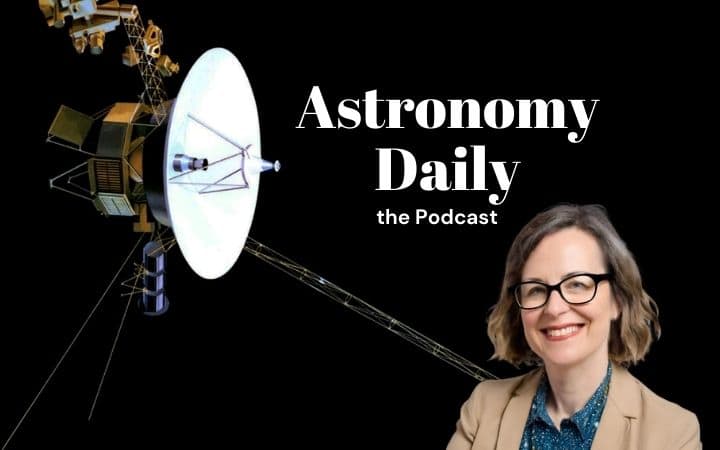
Embark on a cosmic journey with the latest episode of Astronomy Daily, where we delve into the most thrilling developments in space and Astronomy. Hosted by Anna, this episode brings you closer to the stars with stories that are shaping our understanding of the universe.
First, we explore the bittersweet decision by NASA to power down the plasma science instrument aboard Voyager 2. Despite this, the spacecraft continues its groundbreaking exploration of interstellar space. Launched in the 1970s, the Voyager probes have been pioneers, providing invaluable data from the edge of our solar system. Learn about the strategic choices NASA is making to extend the life of these venerable spacecraft, allowing them to operate well into the 2030s.
Next, we shift our gaze to the sun, which has been particularly active as we enter October. Two powerful solar flares, including an impressive X 7.1 class flare, have disrupted radio communications and promise spectacular auroras. As we approach the peak of solar cycle 25, solar physicists and space weather forecasters are on high alert, anticipating more frequent eruptions from our star.
The episode also covers a rare celestial event: an annular solar eclipse that transformed the sun into a mesmerizing ring of fire. Visible across parts of the Pacific Ocean, this event drew eclipse chasers to prime locations like Easter Island. For those who missed it, mark your calendars for the next total solar eclipse on April 8, 2024.
Looking towards the future, NASA's Artemis missions are making strides with the development of the lunar terrain vehicle (LTV). This rover will enable astronauts to conduct extensive research on the moon's surface, paving the way for future missions to Mars. Get insights into how NASA is collaborating with companies to refine the LTV design through rigorous testing.
Finally, we highlight the European Space Agency's progress in constructing a new deep space communication antenna in New Norcia, Australia. This massive structure will enhance ESA's ability to communicate with distant spacecraft, supporting a range of missions from lunar exploration to deep space endeavors.
Tune in to this episode for an engaging exploration of these cosmic stories and more. Whether you're a seasoned space enthusiast or just curious about the universe, Astronomy Daily has something for everyone. Listen now and keep looking up!